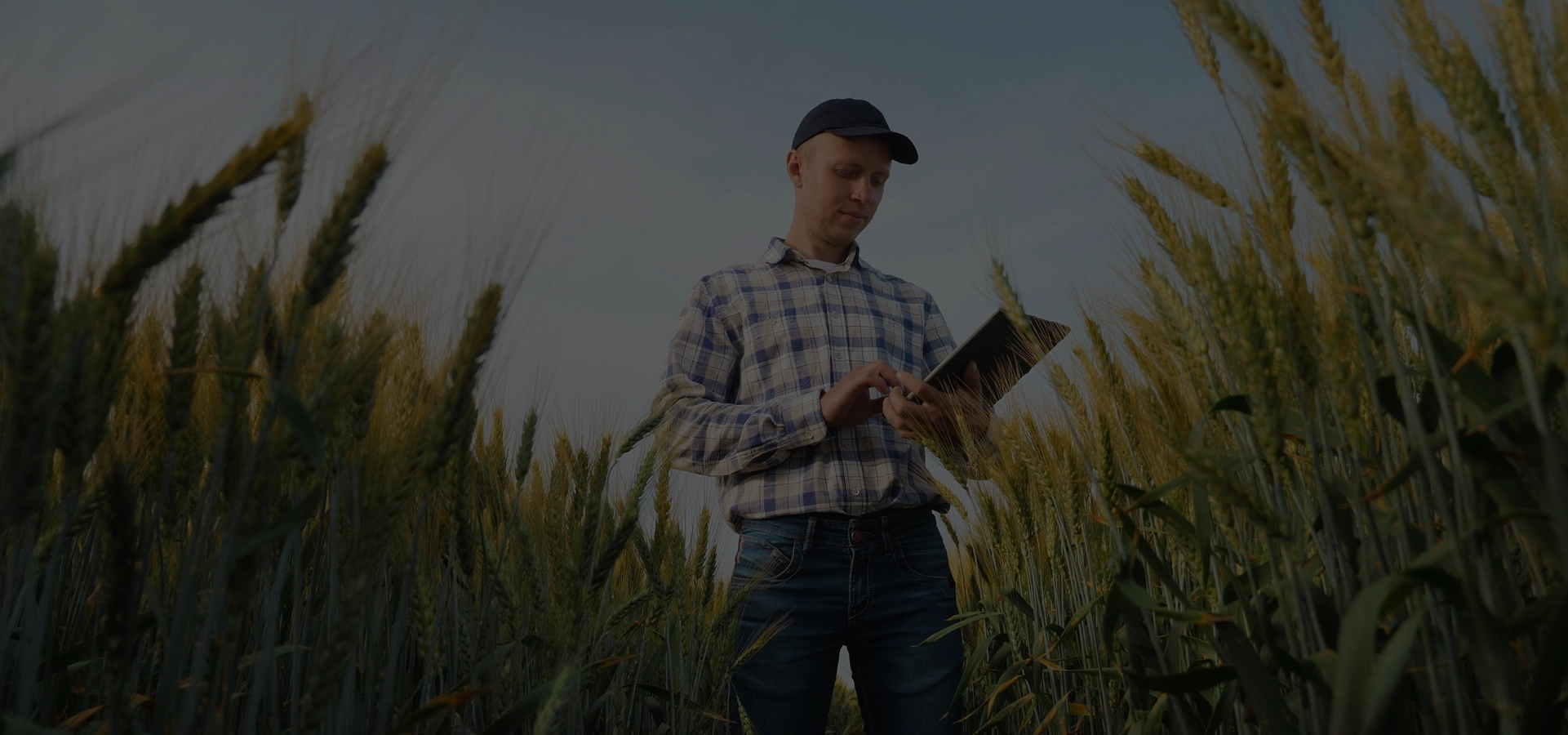

Future of farming
Cultivating a resilient future
Feeding a growing population requires balancing agronomic tradition with innovation. Modern farmers employ sustainable intensification to boost yield while preserving resources. Integration of smart irrigation systems ensures precise water delivery and nutrient management, reducing waste across arable landscapes and maximizing efficiency.
Eco-friendly practices

Methods for sustainable agriculture


Regenerative practices for soil health
Planting cover crops prevents soil erosion while sequestering carbon and restoring vital organic nutrients.

Water conservation strategies
Drip lines and other micro-irrigation hardware deliver moisture to roots, minimizing evaporation and nutrient runoff.

Integrated pest management
Biological controls and biopesticides reduce reliance on synthetic chemical sprays, protecting beneficial insect and pollinator populations.

Renewable energy integration
On-farm solar arrays power operations, lowering the carbon footprint of food production and processing.
Ecosystem balance preservation
Biodiversity in agricultural landscapes
Monocultures give way to agrobiodiversity in polyculture systems. Hedgerows and riparian buffers provide critical habitats for pollinators, essential for crop fertilization. Restored wetlands act as natural filters, trapping nutrient pollution before it reaches waterways. Maintaining crop genetic diversity creates a buffer against disease and climate volatility. This ecosystem-based approach ensures agricultural land supports a thriving web of life.
Efficient crop production systems
Strategies for optimal production
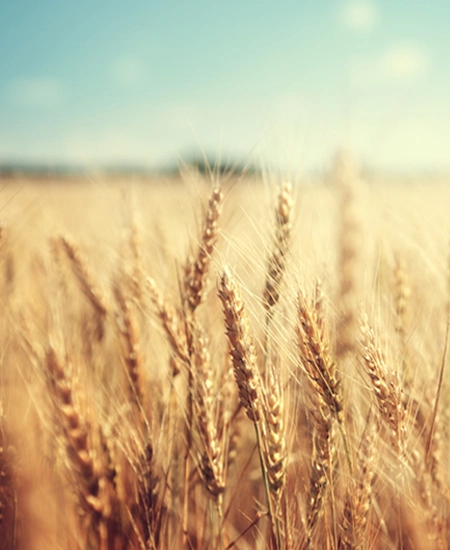
Cereal grain cultivation
Wheat and barley fields require precise fertilizer application and nitrogen timing to maximize protein content and prevent lodging before the harvest season.
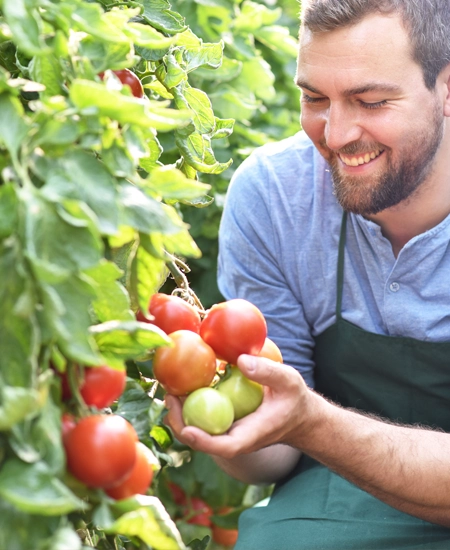
Controlled-environment agriculture
Controlled environments allow year-round cultivation of high-value vegetables, protecting plants from frost and unpredictable weather patterns using advanced climate control systems.
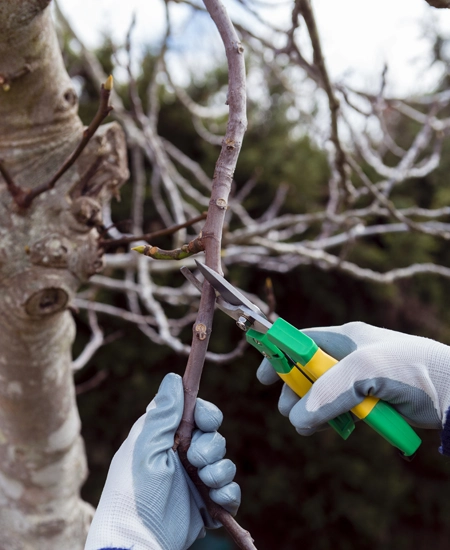
Orchard fruit management
Precision pruning techniques during dormancy determine fruit set quality, ensuring adequate light penetration for apples and pears. Pheromone traps are used for pest monitoring.
Animal welfare and health standards
Advances in livestock husbandry
Modern herd management prioritizes animal well-being for high-quality dairy, meat, and fiber production. Rotational grazing allows pasture regeneration while providing fresh forage. Wearable sensors detect early signs of illness, allowing timely veterinary intervention.
Smart farming solutions
The digital agriculture revolution
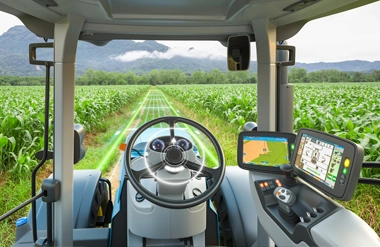
Precision GPS guidance
Tractors with autosteer GPS guidance minimize overlap during seeding and spraying, reducing fuel consumption and costly input waste across vast fields.
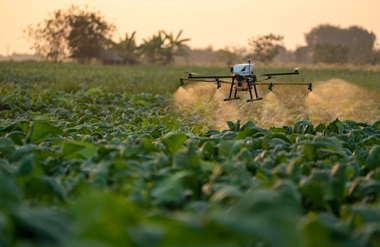
Drone aerial analysis
Multispectral cameras on UAVs identify plant stress from pests or nutrient deficiencies, enabling variable rate application of fertilizer or plant protection products.
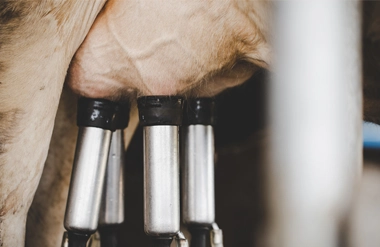
Robotic and automated milking systems
Robotic stations allow voluntary milking, improving cow comfort and collecting real-time data on individual yield and milk quality for herd health management.
Farm Equipment and Machinery
Essential farm equipment types
Field efficiency relies on robust farm implements. Tillage equipment like soil aerators break up compacted earth for better water absorption. Planting machinery ensures precise seeding, while combine harvesters manage the entire harvest process.
Shaping the agricultural horizon
The intersection of traditional knowledge and cutting-edge science defines future food security. Adapting to climate change requires resilient supply chains and flexible management. Regenerative agriculture aims to increase productivity on existing farmland, improving land value and protecting natural habitats. Collaboration between agronomists and growers fosters rapid adoption of these techniques globally.